


 中文简体
中文简体 Français
 русский
 Español
 عربى
عربى Deutsch



5.0–7.0 Ton Heavy-Duty Diesel Forklift for Demanding Material Handling
Admin 2026-07-03In heavy-duty material handling, productivity depends on more than rated lifting capacity. A forklift must combine structural strength, stable power delivery, controllable hydraulics, operator safety, serviceability, and long-term durability. The 5.0–7.0 ton heavy-duty diesel forklift presented here is engineered for medium and heavy-duty operations where loads are large, work cycles are continuous, and reliability directly affects operating cost.
This forklift is designed for demanding applications such as steel handling, timber yards, logistics hubs, manufacturing plants, construction material distribution, container-related handling, and other operations that require strong traction and stable lifting performance. With a reinforced chassis, heavy-duty mast, proven diesel powertrain, advanced hydraulic components, efficient cooling, and practical maintenance access, it provides a balanced solution for users who need power without sacrificing control.
Compared with ordinary forklifts in the same capacity range, the machine emphasizes real working performance rather than simple specification numbers. It is built to remain stable in challenging environments, operate consistently under heat and dust, support long working hours, and reduce downtime through accessible maintenance points. For fleet owners, rental companies, logistics operators, and industrial users, these advantages translate into higher utilization and better lifecycle value.
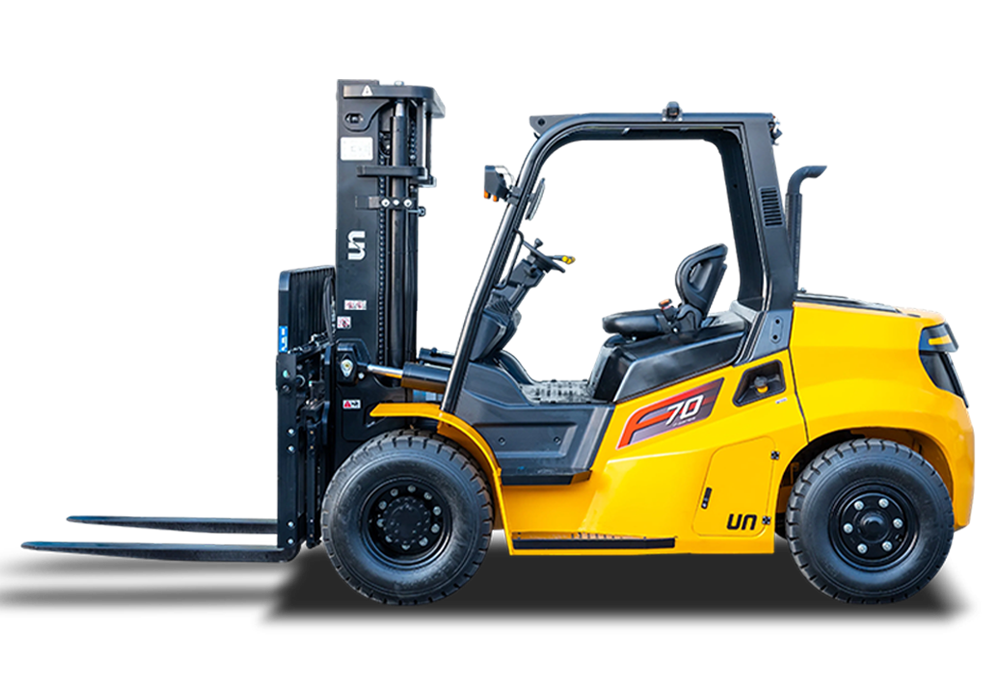
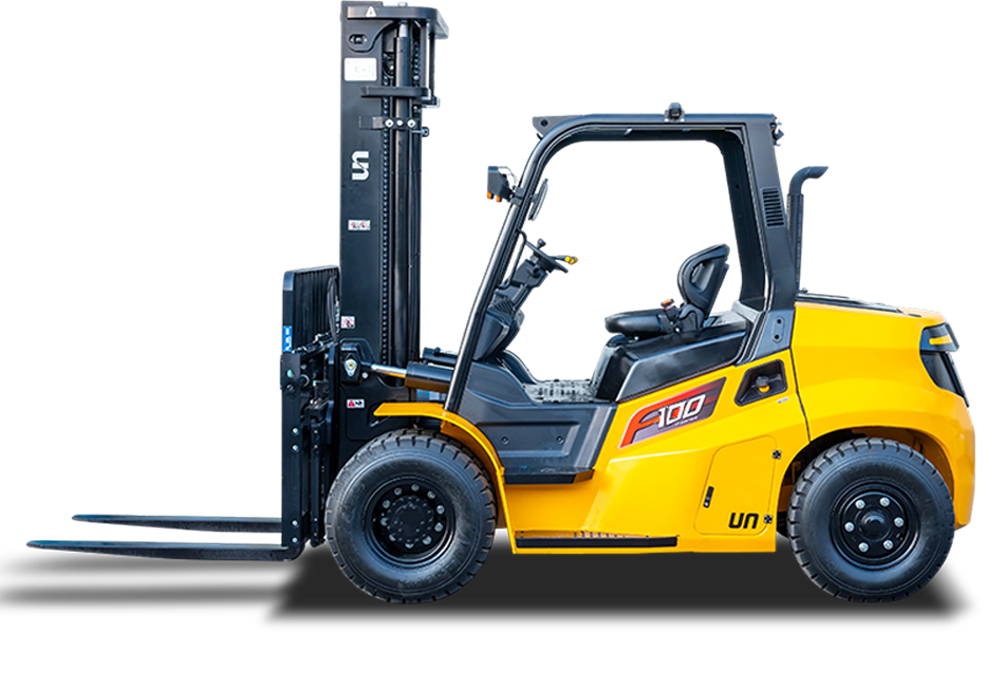
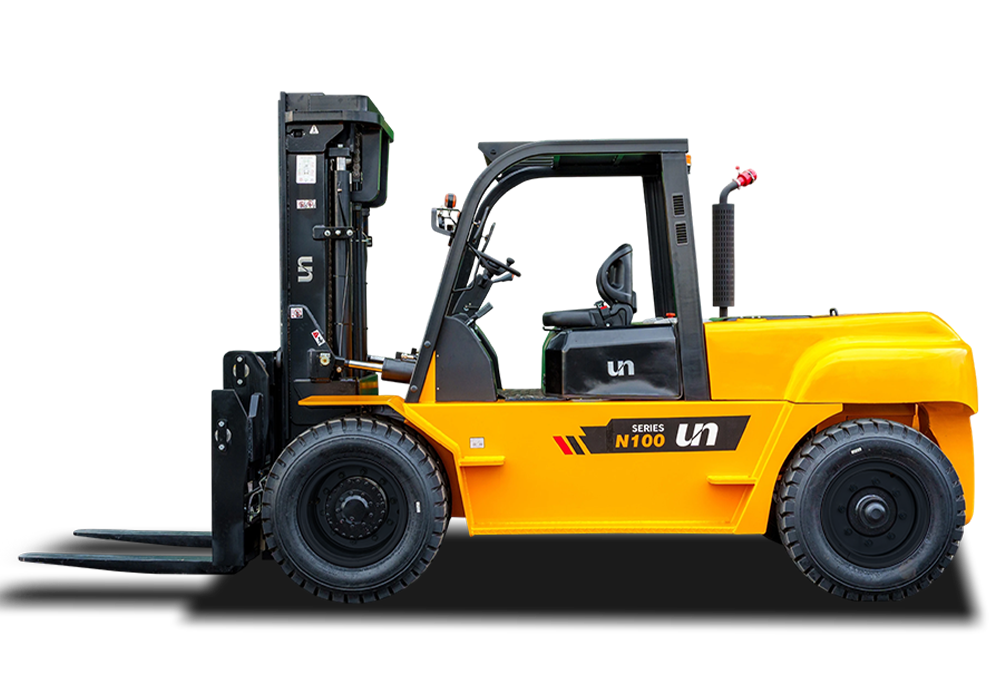
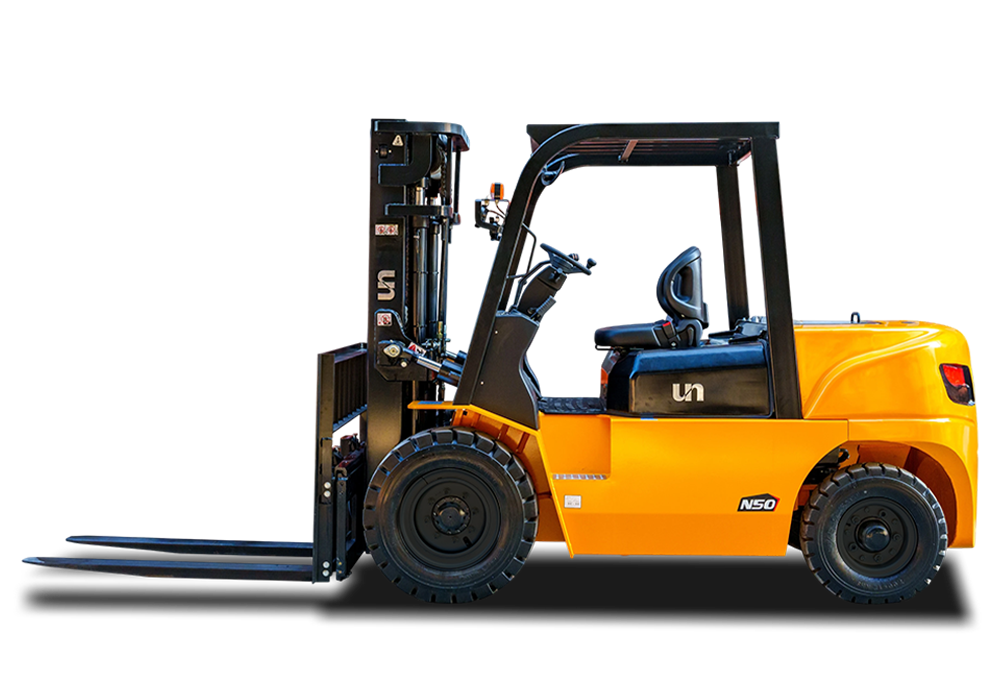
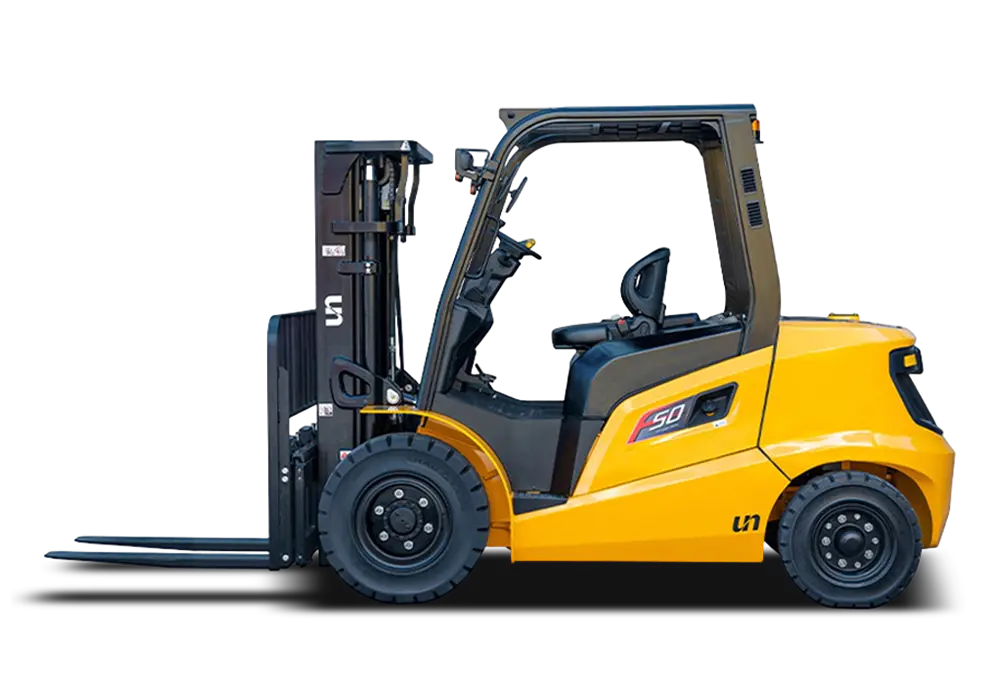
N Series 5.0T-7.0T Heavy Duty Diesel Forklift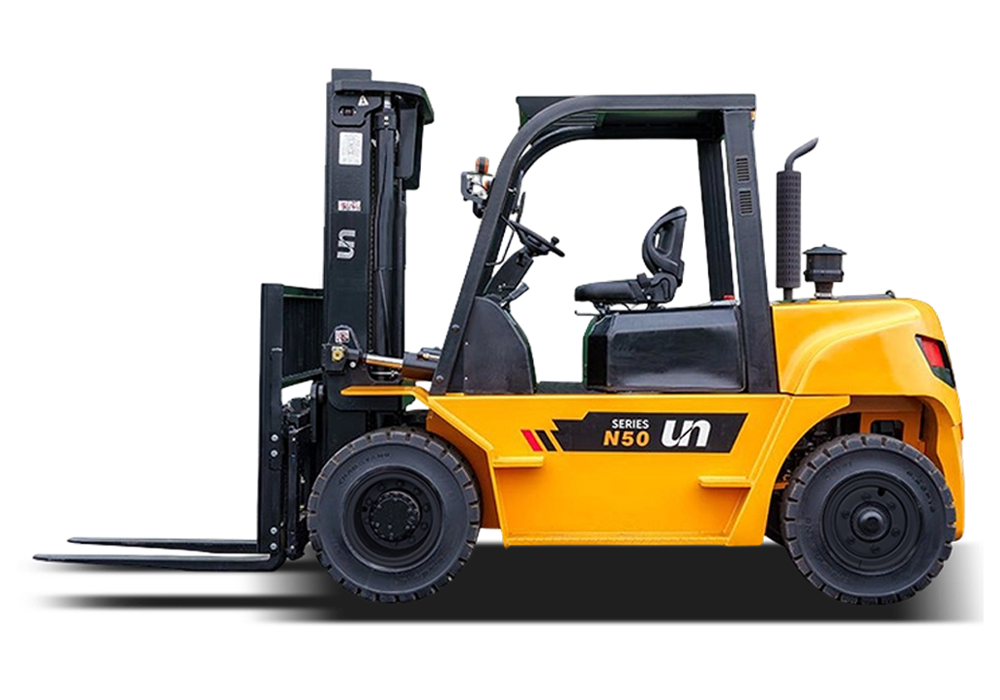
Product Positioning and Application Value
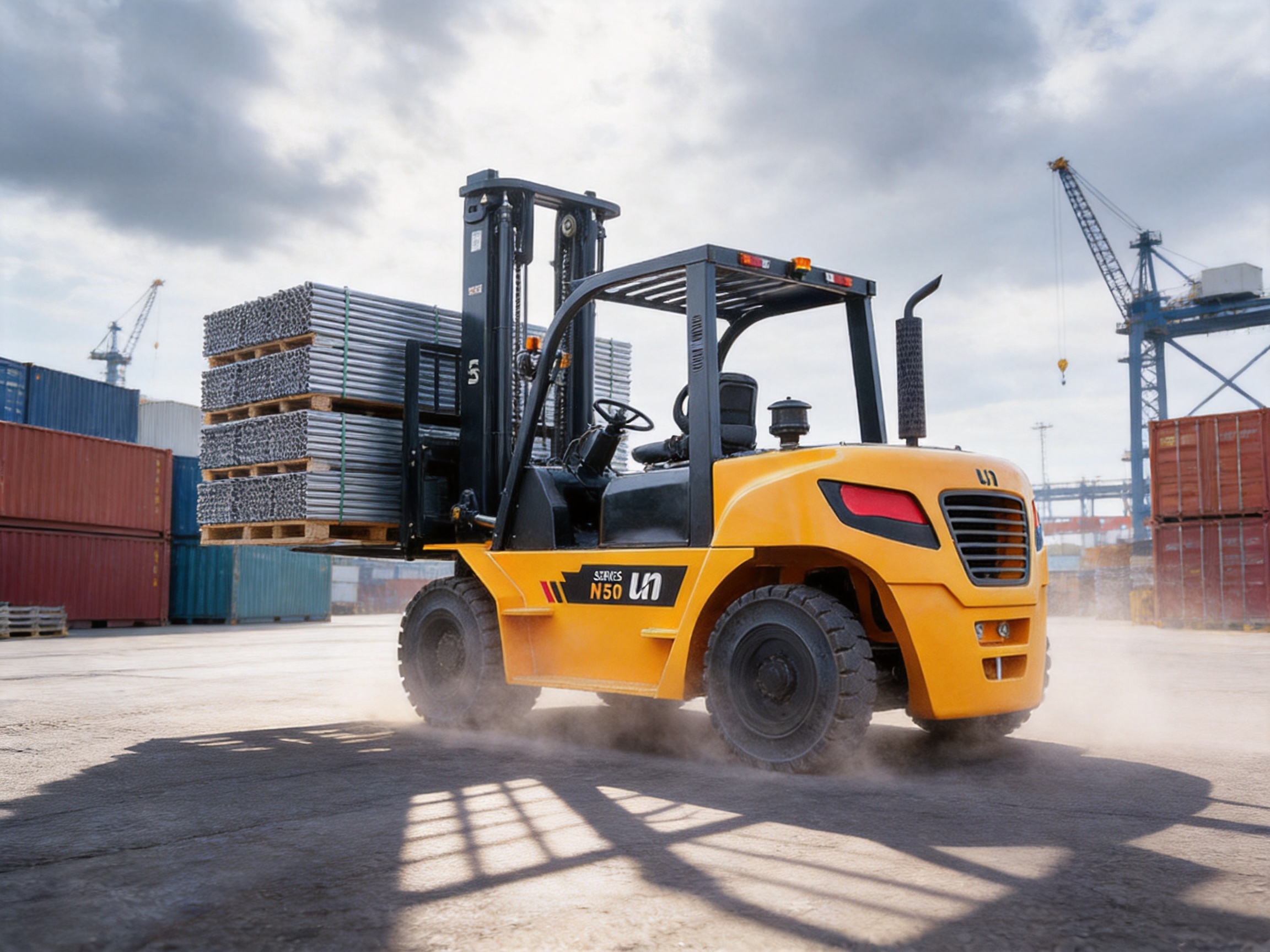
The 5.0–7.0 ton class occupies an important position in the forklift market. It is significantly stronger than standard warehouse forklifts but more flexible and cost-effective than very large industrial trucks. Many companies choose this class when they need to handle heavy pallets, bulk materials, metal products, stone, machinery components, concrete products, or container-related cargo without moving to a much larger machine that may require wider yards and higher operating costs.
This diesel forklift is designed for users who need dependable performance in outdoor and semi-outdoor environments. Diesel power remains a preferred choice where high torque, long operating shifts, fast refueling, and strong gradeability are required. In applications where charging infrastructure is limited or where continuous operation is essential, diesel forklifts continue to offer clear advantages.
The machine is particularly suitable for medium to heavy-duty material handling, including the transport of empty containers and other bulky loads. Its load center of 600 mm reflects the practical requirements of heavier industrial cargo, where load stability and correct weight distribution are critical. The rated lift height of 3000 mm supports common stacking, loading, and unloading tasks, while the wide-view mast and strong overhead guard contribute to safer daily operation.
Unlike light-duty forklifts that may struggle with continuous heavy work, this model is built around a stronger frame and a durable power system. Its chassis, mast, cooling system, braking arrangement, and hydraulic components are matched to the demands of higher-capacity operation. This integration is essential because a heavy-duty forklift cannot rely on one strong component alone; every major system must be engineered to work together.
Core Engineering Advantages
The main advantage of this heavy-duty diesel forklift is its combination of power, stability, controllability, and serviceability. These qualities are often discussed separately, but in real operations they are interconnected. A powerful engine is less valuable if the transmission is inefficient. A strong mast is less effective if visibility is poor. A fast hydraulic system can create risk if stability and braking are not dependable. This forklift addresses these issues as a complete machine.
High-Strength Chassis for Heavy-Duty Stability
The chassis is scientifically engineered and precisely manufactured to support heavy loads and repeated work cycles. In heavy-duty forklift applications, chassis strength affects not only durability but also operator confidence. A strong chassis helps maintain stability during lifting, traveling, braking, turning, and load placement.
The reinforced structure helps distribute stress during full-load operation. This is especially important when handling large loads over uneven surfaces, loading docks, outdoor yards, or industrial sites where shocks and vibration are common. By using a robust chassis platform, the forklift reduces the risk of frame deformation and supports a longer service life.
Competitor machines in the same class may advertise similar rated capacities, but the real difference appears after thousands of working hours. A forklift with insufficient structural strength can experience looseness, vibration, premature wear, or reduced lifting precision. This heavy-duty design is intended to maintain performance in demanding use, which is a major advantage for customers focused on long-term ownership cost.
Heavy-Duty Mast with Wide Visibility
The mast is one of the most critical systems on any forklift. For a 5.0–7.0 ton machine, the mast must provide lifting strength, torsional rigidity, smooth operation, and safe visibility. This forklift uses a heavy-duty mast structure designed to support stable lifting and load handling under industrial conditions.
The wide-view mast design gives operators a clearer line of sight during loading, unloading, and positioning. Improved visibility helps reduce handling errors, product damage, and collision risks. In heavy-duty work, the operator often manages large loads that can obstruct forward vision; therefore, mast design and viewing angles play a direct role in safety and efficiency.
The mast tilt angle of 6 degrees forward and 12 degrees backward provides practical flexibility for load pickup, transport, and placement. Backward tilt helps stabilize loads during travel, while forward tilt supports accurate placement during unloading. This combination improves operator control in common industrial applications.
Reliable Floating Power System
The forklift uses a highly reliable floating power system designed to reduce vibration and improve driving comfort. Heavy-duty diesel machines naturally generate vibration because of engine torque, transmission loads, and uneven ground. A well-designed power mounting system helps isolate vibration, protect components, and reduce fatigue for operators.
The powertrain can be configured with well-known engine options such as Isuzu, Cummins, Xichai, Chaochai, and Mitsubishi depending on model configuration and market requirements. These engine choices allow customers to select a solution based on emission standards, service availability, fuel preference, performance expectations, and local support conditions.
Engine flexibility is a competitive advantage. Some forklift suppliers offer limited engine choices, forcing customers to adapt to the supplier’s standard configuration. In contrast, multiple engine options allow better matching between machine and market. For international buyers, the availability of globally recognized engines can simplify parts supply and maintenance planning.
Efficient Transmission and Strong Driving Performance
The forklift is equipped with a powershift or hydraulic transmission configuration depending on the model. A heavy-duty forklift must deliver smooth direction changes, controlled acceleration, and reliable torque transfer. Transmission quality is especially important in repetitive loading cycles where the operator frequently moves forward and backward.
The transmission technology is designed to rival established Japanese-style performance standards. This matters because smooth transmission behavior improves productivity and reduces strain on both the operator and drivetrain. In busy yards or production facilities, harsh shifting can lead to fatigue, load instability, and premature component wear.
Travel speed without load can reach around 20 km/h in selected configurations, while other model data shows no-load travel speeds up to 23/21 km/h depending on capacity and specification. These speeds support efficient transport over medium-distance industrial sites without compromising heavy-duty stability.
Main Specifications Overview
The following table summarizes representative specifications for the 5.0–7.0 ton heavy-duty diesel forklift range. Actual specifications may vary by configuration, engine selection, mast option, tire type, market requirements, and attachment use.
Item |
5.0 Ton Model |
7.0 Ton Model |
Operational Meaning |
Rated Load Capacity |
5000 kg |
7000 kg |
Supports medium and heavy-duty industrial loads. |
Load Center |
600 mm |
600 mm |
Designed for larger industrial cargo dimensions. |
Rated Lift Height |
3000 mm |
3000 mm |
Suitable for common loading, stacking, and transfer tasks. |
Fork Size |
1220 x 150 x 60 mm |
1220 x 150 x 65 mm |
Heavy forks support demanding load handling. |
Mast Tilt Angle |
6 degrees forward / 12 degrees backward |
6 degrees forward / 12 degrees backward |
Improves pickup, travel stability, and placement control. |
Overall Width |
Approximately 1995 mm |
Approximately 1995 mm |
Balances stability with maneuverability. |
Turning Radius |
Approximately 3280 mm |
Approximately 3360 mm |
Supports efficient maneuvering in yards and plants. |
Travel Speed Without Load |
Approximately 20 km/h |
Approximately 20 km/h |
Allows efficient movement between work areas. |
Maximum Gradeability Full Load |
Up to 32–35 percent depending on configuration |
Up to 24–29 percent depending on configuration |
Useful for ramps, yards, and uneven operating sites. |
Fuel Tank Capacity |
120 L |
120 L |
Supports long working shifts with fewer refueling stops. |
These specifications show that the forklift is not merely a high-capacity lifting machine. It is configured for real material handling work where turning, traveling, lifting, cooling, braking, and maintenance access all affect daily productivity.
Hydraulic System Performance
Hydraulic performance determines how efficiently a forklift can lift, lower, steer, and operate attachments. This machine uses a premium hydraulic system with components such as Shimadzu pumps and valves or equivalent high-quality brands. The purpose is to provide faster lifting response, smoother steering, and stable attachment control.
In heavy-duty applications, slow hydraulic response can create bottlenecks. Every second lost during lifting, lowering, and positioning becomes significant over hundreds of cycles per day. A responsive hydraulic system allows operators to complete loading and unloading tasks more efficiently while maintaining accurate control.
The operating pressure for attachments is around 19.5 to 20 MPa depending on configuration. This supports common heavy-duty attachment needs, such as clamps, fork positioners, sideshifters, and other industrial handling tools. Attachment compatibility improves the value of the forklift because users can adapt one machine to multiple load types.
Compared with competitors using lower-grade hydraulic components, this design provides stronger reliability and better operational feel. Hydraulic leakage, slow lifting, steering stiffness, or inconsistent response can quickly reduce productivity. By focusing on hydraulic quality, the forklift offers a more dependable experience in continuous work.
Cooling Technology for Continuous Operation
Heavy-duty diesel forklifts often work in high-temperature, dusty, or high-load environments. Cooling system performance is therefore essential. This forklift uses advanced cooling technology with a large-capacity radiator and multi-stage filtration cooling system. The goal is to keep engine and hydraulic temperatures stable during extended operation.
A reliable cooling system protects the engine, transmission, hydraulic oil, seals, and related components. Overheating is one of the most common causes of downtime in industrial vehicles. It can reduce power, accelerate wear, damage seals, and shorten lubricant life. A large-capacity radiator helps the machine maintain stable operation even in challenging climates.
The multi-stage filtration design further improves reliability by reducing contamination risks. In outdoor yards, construction material sites, timber yards, and industrial plants, dust can quickly clog conventional cooling systems. Better filtration helps maintain airflow and cooling efficiency, reducing the frequency of overheating-related service events.
This is a practical advantage over competitors that use smaller radiators or less protected cooling layouts. For customers operating in hot regions or dusty environments, cooling performance is not optional; it is a direct contributor to uptime and productivity.
Braking Safety and Control
Stopping performance is critical for heavy-duty forklifts because a loaded machine carries significant mass and momentum. This forklift includes an accumulator-equipped braking system designed to provide quicker and smoother braking response. Smooth braking helps stabilize loads and improves operator confidence, especially during frequent travel and positioning cycles.
Heavy loads require braking systems that are not only powerful but also predictable. Abrupt or inconsistent braking can cause load movement, tire wear, operator fatigue, and potential safety risks. The accumulator-assisted system helps deliver more controlled response under demanding work conditions.
Compared with simpler braking systems, the accumulator-equipped design provides a stronger safety margin. In busy logistics yards or industrial plants, operators must respond quickly to pedestrians, vehicles, obstacles, and changing work conditions. Reliable braking contributes to accident prevention and operational discipline.
Operator Safety and Ergonomics
A heavy-duty forklift is only as effective as the operator’s ability to control it safely for an entire shift. This machine integrates safety and ergonomic features to reduce fatigue and improve daily handling performance.
The OPS function and seat interlock switch help ensure safe operation. These systems are designed to reduce the risk of unintended movement or unsafe operation when the operator is not properly seated. Safety interlocks are especially important in modern industrial environments where workplace compliance and accident prevention are major priorities.
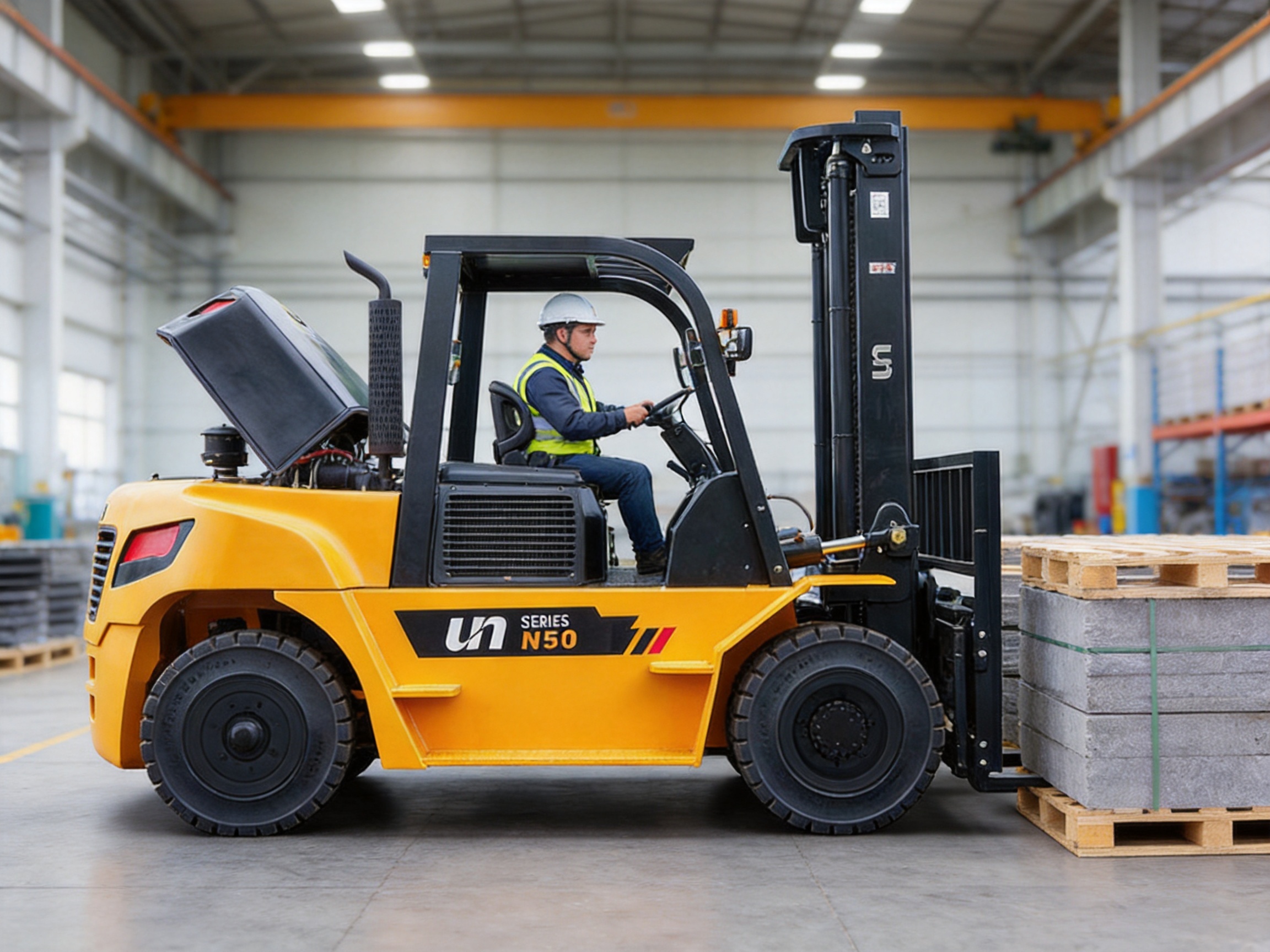
The strong overhead guard protects the driver from falling objects. In heavy-duty industries, loads may include metal bundles, timber, pallets, construction materials, and machine components. A reinforced overhead guard is essential for operator protection during lifting and transport.
The cabin and operator area are designed with generous legroom and headroom. The adjustable steering wheel and comfortable seating help accommodate different operators and reduce fatigue during long shifts. Ergonomic comfort directly affects productivity because tired operators work more slowly and are more likely to make mistakes.
Good visibility, comfortable controls, stable steering, and reduced vibration all contribute to safer operation. Competitor machines may focus mainly on rated capacity, but the human-machine interface is equally important. This forklift’s ergonomic design helps operators maintain concentration and precision in repetitive heavy-duty work.
Maintenance Access and Service Efficiency
Serviceability is one of the most important factors in total ownership cost. A forklift that is difficult to inspect or repair increases labor time, delays production, and discourages proper preventive maintenance. This heavy-duty diesel forklift is designed with easy maintenance in mind.
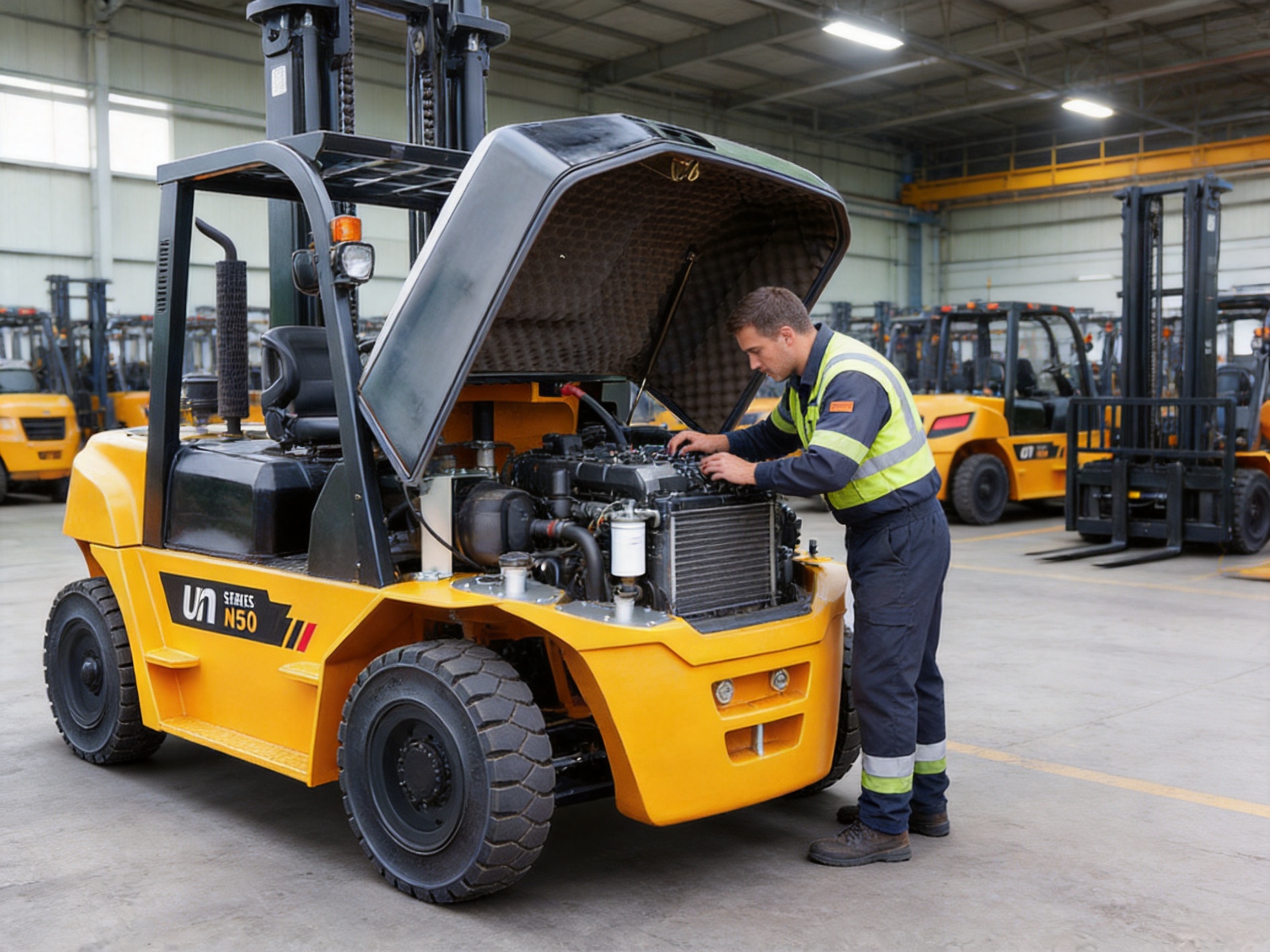
The engine hood opens nearly 90 degrees, allowing convenient daily inspection and component replacement. This feature gives service technicians better access to the engine, filters, belts, hoses, and other critical components. Easier access reduces service time and makes routine inspection more likely to be performed correctly.
The optimized rear cover design makes radiator checks simple and convenient. Since cooling system condition is essential for continuous heavy-duty operation, easy radiator inspection is a major practical benefit. Operators and maintenance teams can identify dust buildup, coolant issues, and airflow restrictions before they become serious problems.
The internal layout is well organized to improve maintenance efficiency. A clean layout makes it easier to locate components, inspect connections, identify leaks, and complete repairs. Over the life of the forklift, this can save many hours of service labor.
Compared with competitors that use crowded internal layouts or restricted access panels, this maintenance-friendly design improves uptime. For fleet managers, the difference between a machine that takes thirty minutes to inspect and one that takes much longer can be significant when managing multiple units.
Advantages Over Competing Forklifts
In the 5.0–7.0 ton diesel forklift market, many products appear similar on paper. Rated capacity, lift height, and engine power may look comparable across brands. However, the practical difference lies in engineering integration, component quality, manufacturing consistency, operator comfort, and service support. This forklift offers several clear advantages.
Balanced Heavy-Duty Design Instead of Isolated Strength
Some competing machines emphasize one strong selling point, such as engine power or low purchase price. However, heavy-duty operations require balanced performance. A powerful engine cannot compensate for weak cooling, poor hydraulics, or difficult maintenance. This forklift combines a strong chassis, reliable powertrain, premium hydraulics, large-capacity cooling, stable braking, and ergonomic operation.
This balanced approach reduces operational weak points. Customers benefit from a machine that performs consistently across multiple daily tasks rather than excelling in one area while creating problems in another.
High-Quality Powertrain Options
The availability of respected engine manufacturers gives customers practical flexibility. Engine options such as Isuzu, Cummins, Xichai, Chaochai, and Mitsubishi allow users to match the forklift to local fuel quality, emission requirements, service networks, and spare parts availability.
Many competitors use limited or less recognized engine platforms to reduce cost. While that may lower the initial purchase price, it can create long-term service difficulties. A high-quality engine option improves reliability, resale value, and parts accessibility.
Better Cooling for Demanding Environments
The advanced cooling system with large-capacity radiator and multi-stage filtration is especially valuable for customers operating in hot, dusty, or continuous-use conditions. Competitor forklifts with less robust cooling may perform well during short demonstrations but struggle during long shifts in harsh environments.
Stable operating temperature protects the engine and hydraulic systems. This directly reduces downtime and supports longer service intervals when combined with proper maintenance.
Operator-Focused Safety Features
The wide-view mast, strong overhead guard, OPS system, seat interlock, adjustable steering wheel, and comfortable seating make the forklift safer and easier to operate. These features help reduce fatigue and improve control.
Competitors sometimes treat operator comfort as a secondary concern, especially in heavy-duty industrial models. However, in real work, the operator is central to productivity. A comfortable and confident operator completes tasks more efficiently and with fewer errors.
Maintenance-Friendly Structure
The nearly 90-degree engine hood opening, accessible radiator area, and organized internal layout provide a major ownership advantage. Downtime is expensive, and service labor costs continue to rise in many markets. Maintenance-friendly design helps customers reduce these hidden costs.
A lower-priced competitor can become more expensive over time if maintenance is inconvenient, parts access is poor, or service operations take too long. This forklift is designed to support practical daily use and long-term fleet management.
Manufacturing Strength Behind the Product
A heavy-duty forklift is only as reliable as the manufacturing system behind it. Zhejiang UN Forklift Co., Ltd. is a professional material handling equipment manufacturer integrating research and development, production, sales, and service. Founded in 1978, the company has decades of experience in forklift engineering and industrial vehicle manufacturing.
The company occupies 53,400 square meters and has an annual production capacity of 15,000 units. This manufacturing scale supports consistent production, supply capability, and model development. For international customers, production capacity is important because it affects delivery stability, spare parts availability, and long-term supplier reliability.
The company offers a broad product range covering 17 varieties, 96 series, and more than 200 specifications. This wide product portfolio reflects deep technical experience in different material handling scenarios, from internal combustion forklifts to electric forklifts, warehouse equipment, and new energy models. Such experience strengthens the development of heavy-duty diesel forklifts because lessons from multiple product categories can be applied to chassis design, electrical systems, hydraulics, ergonomics, and quality control.
Research and Development Capability
Research and development is central to modern forklift manufacturing. The company has participated in the development of China’s electric forklift industry standards and holds national patents for electric forklift technologies. Although the product discussed here is a diesel forklift, this technical background demonstrates broader engineering capability.
The company’s history includes the development of China’s first reach forklift and VNA truck. These achievements show that it is not simply a manufacturer of standard products but a company with innovation experience. For heavy-duty forklifts, innovation appears in structural design, cooling efficiency, hydraulic response, operator safety, and serviceability.
R&D capability also supports customization. Industrial customers often require specific mast heights, attachments, engine configurations, tire options, emission standards, and application-specific modifications. A manufacturer with strong engineering support can better adapt machines to customer needs.
Integrated Production and Quality Control
Heavy-duty forklifts require accurate manufacturing processes because dimensional precision affects alignment, mast stability, steering geometry, drivetrain installation, and durability. A strong production system must control welding quality, machining accuracy, assembly procedures, hydraulic cleanliness, electrical reliability, painting quality, and final inspection.
The company’s integrated manufacturing model allows closer control over these processes. From component preparation to final assembly, quality control must verify that each machine meets performance and safety requirements. In heavy-duty applications, small manufacturing inconsistencies can become major field problems after repeated load cycles.
Advanced manufacturing strength is reflected in the forklift’s precise chassis, durable mast, reliable power system, and organized layout. These are not isolated design features; they depend on production discipline and process control.
Global Sales and Service Network
The company has a worldwide sales and service network with partners in Europe, South America, North America, Africa, and Asia. For buyers of heavy-duty equipment, after-sales support is as important as the original machine. Forklifts require regular service, parts replacement, technical advice, and sometimes application support.
A global network helps customers obtain timely assistance and improves confidence in long-term ownership. It also allows the manufacturer to receive feedback from different markets, climates, industries, and regulatory environments. This feedback can be used to improve future product designs.
OEM Experience and International Standards
The company has served as a designated OEM supplier for well-known domestic and overseas companies, including major industrial equipment groups. OEM experience requires strict process control, consistent quality, technical communication, and reliable delivery. These requirements strengthen manufacturing discipline.
For international buyers, OEM experience is a sign that the manufacturer can meet demanding customer expectations. It also indicates familiarity with documentation, inspection requirements, export standards, and market-specific configurations.
Environmental and Market Adaptability
Diesel forklifts remain essential in many heavy-duty applications, but global markets are increasingly focused on emissions, energy efficiency, and environmental responsibility. The company has actively developed new energy forklifts, including diesel-to-lithium-ion models and standard lithium-ion battery forklifts. This shows an understanding of changing market direction.
At the same time, the company continues to provide internal combustion forklifts that meet high emission requirements in markets such as the European Union and North America. This dual capability is important because customers in different regions have different operating conditions, regulations, and infrastructure.
For the 5.0–7.0 ton heavy-duty diesel forklift, environmental adaptability can include engine configuration selection, emission compliance planning, and application-specific recommendations. Customers can choose diesel power where it remains the best operational solution while also relying on a manufacturer that understands the broader transition toward cleaner equipment.
Operational Benefits for Fleet Owners
Fleet owners evaluate forklifts differently from one-time buyers. They consider acquisition cost, uptime, operator acceptance, fuel consumption, service labor, parts availability, residual value, and safety performance. This heavy-duty diesel forklift addresses many of these factors.
Its strong chassis and reliable powertrain support long-term durability. Its hydraulic and cooling systems reduce productivity losses caused by slow response or overheating. Its safety and ergonomic features support operator performance. Its maintenance access reduces service time. Its engine options and global support network improve ownership confidence.
For rental fleets, durability and easy maintenance are especially important. Rental forklifts may be used by different operators in different environments. A robust, serviceable design helps rental companies protect their investment and improve utilization. For end users, the same features support predictable production and lower operating risk.
Suitable Industries and Work Scenarios
This forklift is suitable for a wide range of industries. In steel and metal processing, it can move heavy bundles, plates, coils with appropriate attachments, and fabricated components. In construction material yards, it can handle blocks, bricks, concrete products, and palletized materials. In timber and wood processing, it can transport heavy packs of lumber and related products.
In logistics and port-related operations, it can move heavy pallets, large industrial cargo, and empty containers where applicable. In manufacturing, it can support production lines by moving dies, machinery parts, raw materials, and finished goods. In recycling and waste handling environments, the strong structure and diesel power can support demanding outdoor work.
The machine’s gradeability and traction make it useful in yards with ramps or uneven ground. The turning radius and overall width provide maneuverability for industrial spaces while maintaining the stability required for heavy loads. With proper attachments, the forklift can become a versatile handling platform for many specialized applications.
Why This Forklift Delivers Long-Term Value
Long-term value is not determined by purchase price alone. A forklift with a lower initial cost can become expensive if it requires frequent repair, consumes excessive maintenance labor, overheats in hot conditions, lacks parts support, or causes operator fatigue. The real value of a heavy-duty forklift is measured across its working life.
This machine provides long-term value through durable structural design, reliable engine options, responsive hydraulics, strong cooling, safe braking, ergonomic operation, and easy maintenance. These features help reduce downtime and improve daily productivity.
Its manufacturing background adds another layer of value. A company with decades of experience, significant production capacity, broad product coverage, international service partnerships, and OEM manufacturing history can provide more dependable long-term support than a supplier focused only on short-term sales.
For customers comparing machines in the 5.0–7.0 ton class, this forklift stands out because it combines heavy-duty engineering with practical ownership advantages. It is not only built to lift heavy loads; it is built to help businesses move materials efficiently, safely, and consistently.
Q&A Section
What type of applications is this 5.0–7.0 ton diesel forklift best suited for?
It is best suited for medium and heavy-duty material handling, including steel, timber, construction materials, industrial components, logistics cargo, and empty container-related operations. It is especially useful where diesel power, strong traction, and long working shifts are required.
What is the rated load capacity range?
The core range discussed is 5.0 to 7.0 tons, with representative rated capacities of 5000 kg and 7000 kg at a 600 mm load center. Related platform specifications may also include higher capacity models depending on configuration.
Why is the 600 mm load center important?
A 600 mm load center is practical for heavy and bulky industrial cargo. It reflects the real dimensions of many larger loads and helps users evaluate capacity more accurately than lighter-duty specifications based on smaller load centers.
What makes this forklift different from standard lower-capacity forklifts?
It uses a stronger chassis, heavy-duty mast, robust diesel powertrain, higher-capacity cooling system, responsive hydraulics, enhanced braking, and heavy-duty tires. These features are designed for sustained operation under heavier loads.
What engine options are available?
Depending on configuration and market requirements, engine options may include well-known manufacturers such as Isuzu, Cummins, Xichai, Chaochai, and Mitsubishi. This flexibility helps customers match performance, service support, and emission needs.
How does the hydraulic system improve productivity?
The hydraulic system uses quality pumps and valves such as Shimadzu or equivalent brands. Faster lifting response, smoother steering, and stable attachment control help reduce cycle time and improve handling precision.
Why is cooling performance important for this forklift?
Heavy-duty diesel forklifts often work under high load, high temperature, and dusty conditions. A large-capacity radiator and multi-stage filtration cooling system help prevent overheating and protect engine and hydraulic components.
What safety features are included?
Key safety features include an OPS function, seat interlock switch, wide-view mast, strong overhead guard, stable braking system, and ergonomic operator area. These features help protect operators and support safer daily operation.
Is the forklift easy to maintain?
Yes. The engine hood opens nearly 90 degrees, the rear cover design simplifies radiator inspection, and the internal layout is organized for efficient servicing. These features reduce maintenance time and support better preventive care.
How does the forklift reduce total ownership cost?
It reduces ownership cost through durable construction, reliable engine options, efficient hydraulics, stable cooling, easy maintenance, and strong service support. These features help lower downtime, service labor, and productivity losses.
Can the forklift use attachments?
Yes. With suitable hydraulic pressure and configuration, the forklift can support common heavy-duty attachments such as fork positioners, sideshifters, clamps, and other specialized handling tools. Attachment selection should match load type and application requirements.
What makes the manufacturer reliable?
The manufacturer was founded in 1978 and integrates research and development, production, sales, and service. It has a large production base, broad product range, global sales and service network, technical patents, industry standard participation, and OEM supply experience.
Conclusion
The 5.0–7.0 ton heavy-duty diesel forklift is a strong solution for industrial users who need more than basic lifting capacity. It is designed for demanding work environments where stability, reliability, safety, and uptime are essential. Its reinforced chassis, heavy-duty mast, quality powertrain, responsive hydraulics, advanced cooling, accumulator-equipped braking, ergonomic operator area, and easy maintenance access create a complete heavy-duty handling package.
Its advantages over competitors become clear in real operation. It offers balanced engineering rather than isolated specifications, multiple reputable engine options, better cooling for harsh environments, operator-focused safety, and maintenance-friendly design. These qualities help users improve productivity and reduce long-term costs.
The manufacturing strength behind the product further increases its value. Backed by decades of experience, integrated production capability, a broad equipment portfolio, global service partnerships, and continuous product development, the forklift is supported by a company with proven industrial expertise.
For businesses that handle heavy materials every day, equipment reliability is not a luxury; it is a requirement. This 5.0–7.0 ton heavy-duty diesel forklift is built to meet that requirement with strength, control, serviceability, and long-term operating value.
References
Industrial Truck Association. General Guidance on Forklift Classes, Capacity, and Safe Operation.
International Organization for Standardization. ISO 3691 Series, Industrial Trucks Safety Requirements and Verification.
Occupational Safety and Health Administration. Powered Industrial Trucks Safety Principles and Operator Training Guidance.
Material Handling Industry. Principles of Lift Truck Selection, Fleet Utilization, and Warehouse Productivity.
Diesel Engine Manufacturers Association. Technical Notes on Diesel Powertrains for Industrial Mobile Equipment.
Hydraulic Institute. Practical Considerations for Hydraulic System Reliability and Maintenance.
Product: N Series 5.0T-7.0T Heavy Duty Diesel Forklift
For exclusive deals and latest offers, sign up by entering your email address below.
Stay In Touch
ADDRESS : NO.1 ROAD ONE, XINDENG NEW DISTRICT, FUYANG, HANGZHOU, ZHEJIANG, CHINA 311404.
PHONE : +86-571-8688 8355 (AMERICA)
PHONE : +86-571-8886 9363 (EUROPE)
PHONE : +86-571-8688 8377 (ASIA, AFRICA, OCEANIA)
EMAIL : [email protected]
EMAIL : [email protected](PARTS INQUIRY)

