


 中文简体
中文简体 Français
 русский
 Español
 عربى
عربى Deutsch



NL Series 2.0–2.5T Lithium-Ion Battery Forklift: Efficient, Durable, and Flexible Material Handling
Admin 2026-10-07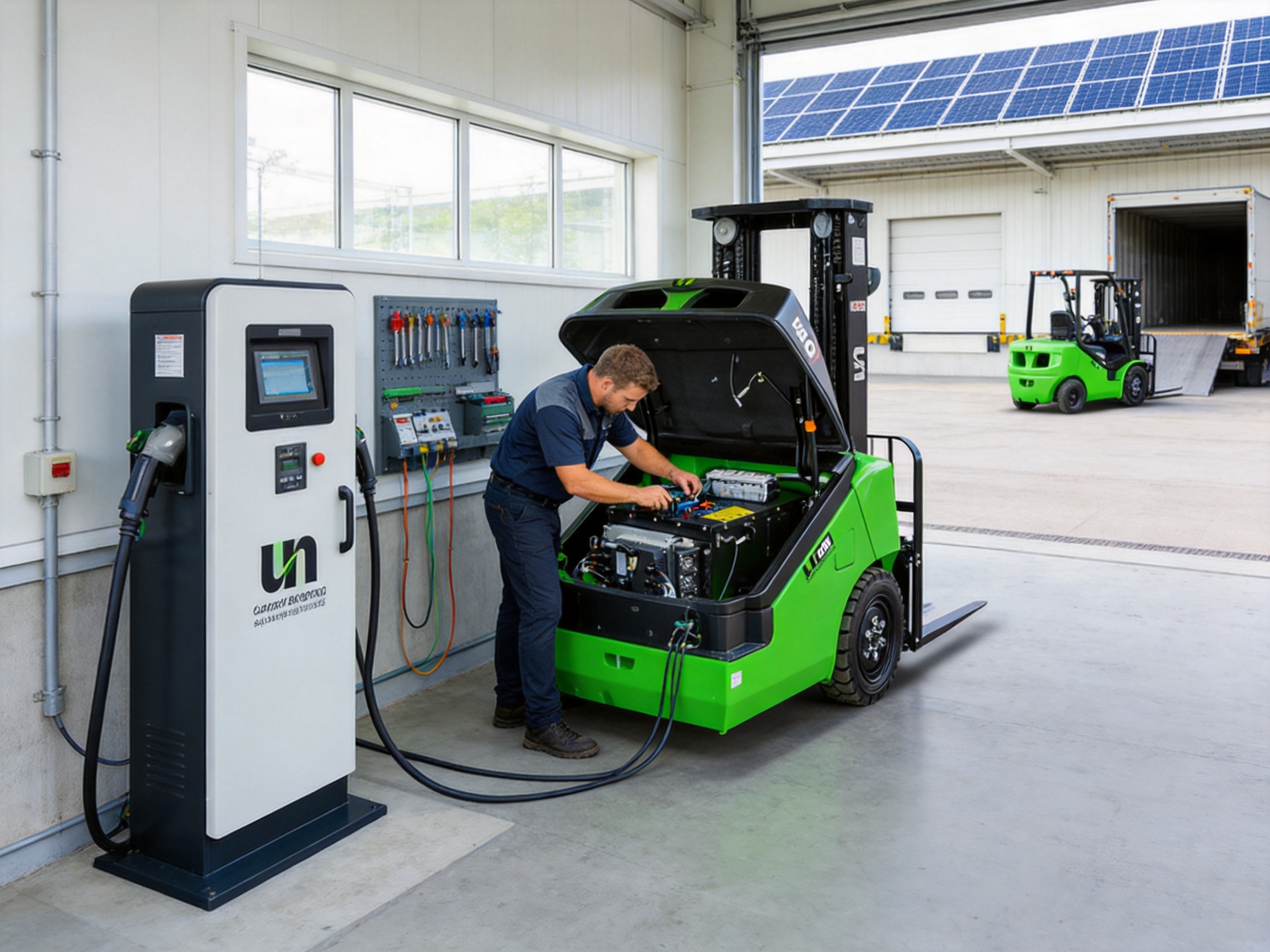
Modern warehouses, distribution centers, manufacturing plants, and logistics operations are under growing pressure to improve productivity while reducing energy consumption, emissions, noise, and operating costs. Forklifts remain essential to these environments, but traditional internal combustion models can create challenges in enclosed or emission-sensitive workplaces. Battery-electric forklifts address many of these concerns, yet some electric models may lack the structural durability, outdoor versatility, or operator comfort associated with conventional industrial trucks.
The NL Series 2.0–2.5T lithium-ion battery forklift is designed to bridge this gap. It combines the familiar strength and operating characteristics of an internal combustion forklift with the low-emission, low-maintenance advantages of lithium battery technology. With rated capacities of 2,000 and 2,500 kilograms, the series is intended for light- to medium-duty applications that require dependable daily handling, compact dimensions, smooth control, and efficient energy use.
Its design is especially suitable for companies seeking to replace conventional fuel-powered forklifts without changing their basic operating practices. The forklift retains a robust chassis concept, spacious operator area, practical ground clearance, and strong outdoor capability. At the same time, its lithium-ion power system supports rapid charging, opportunity charging, low noise, zero tailpipe emissions, and reduced routine maintenance.
This article examines the product’s design, performance, energy system, safety features, application value, manufacturing background, maintenance advantages, and competitive strengths.
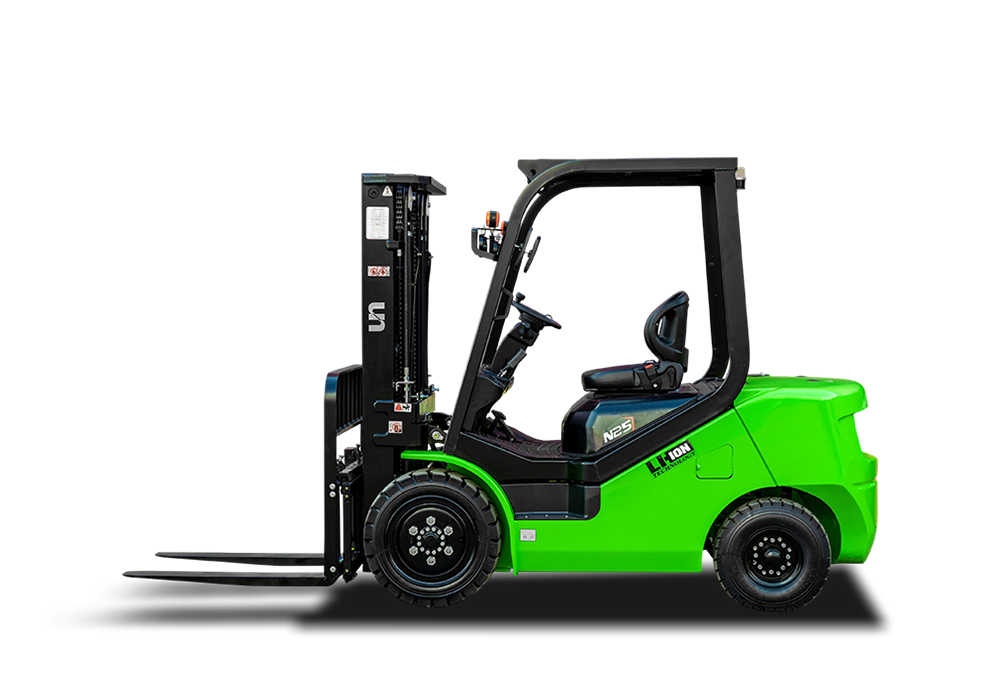
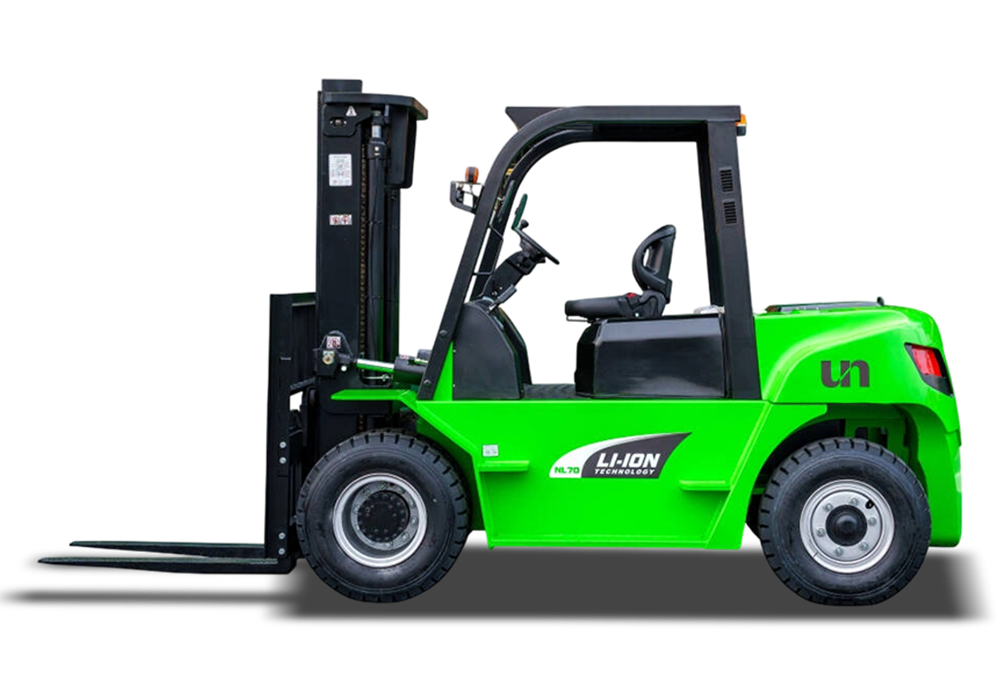
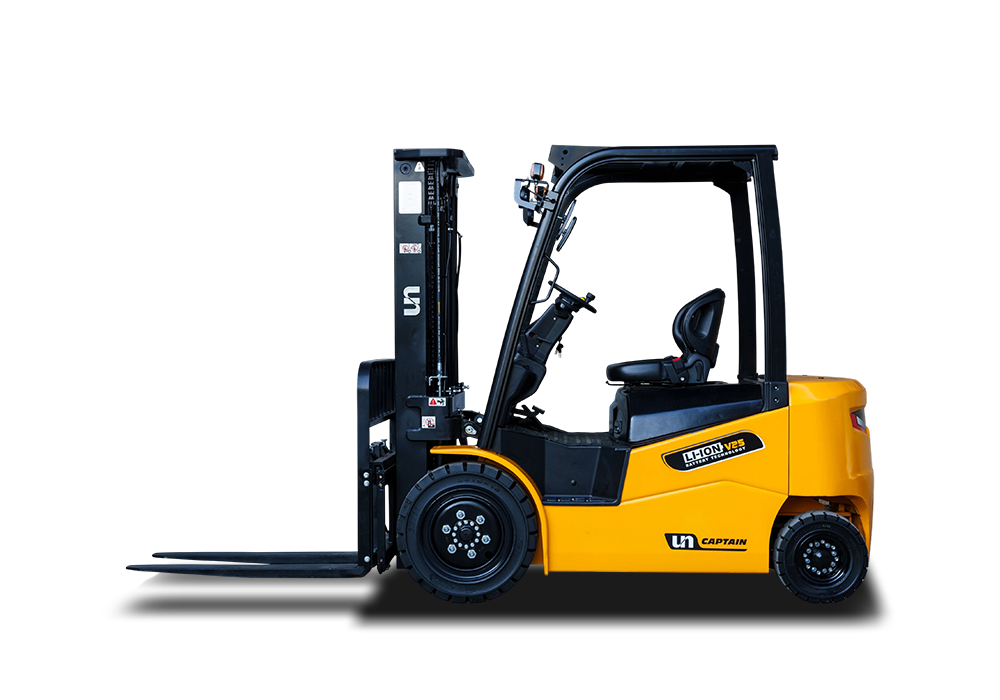
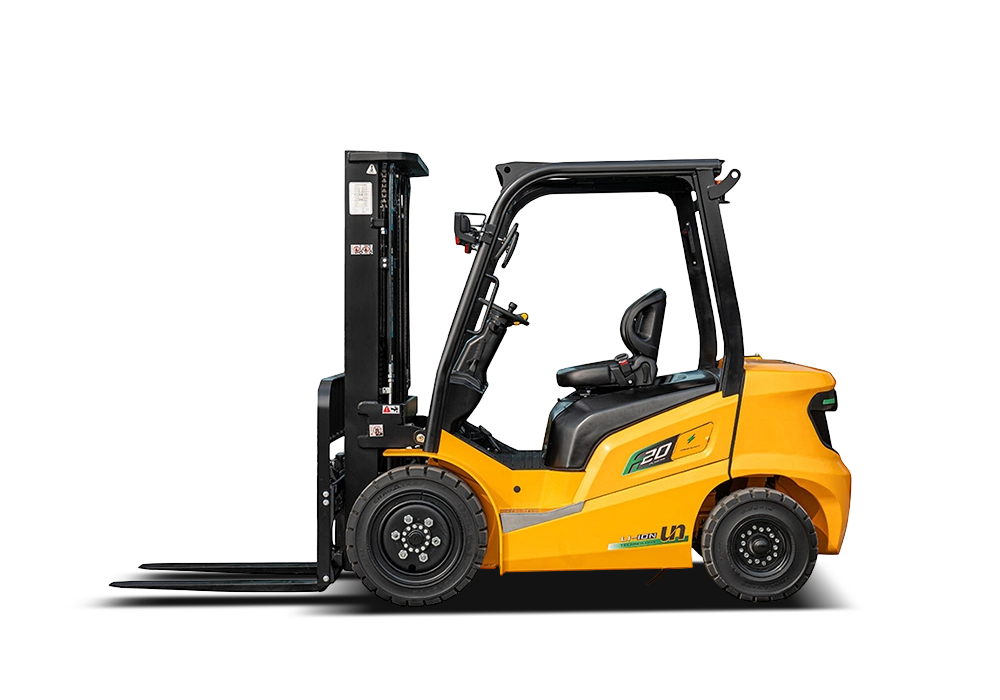
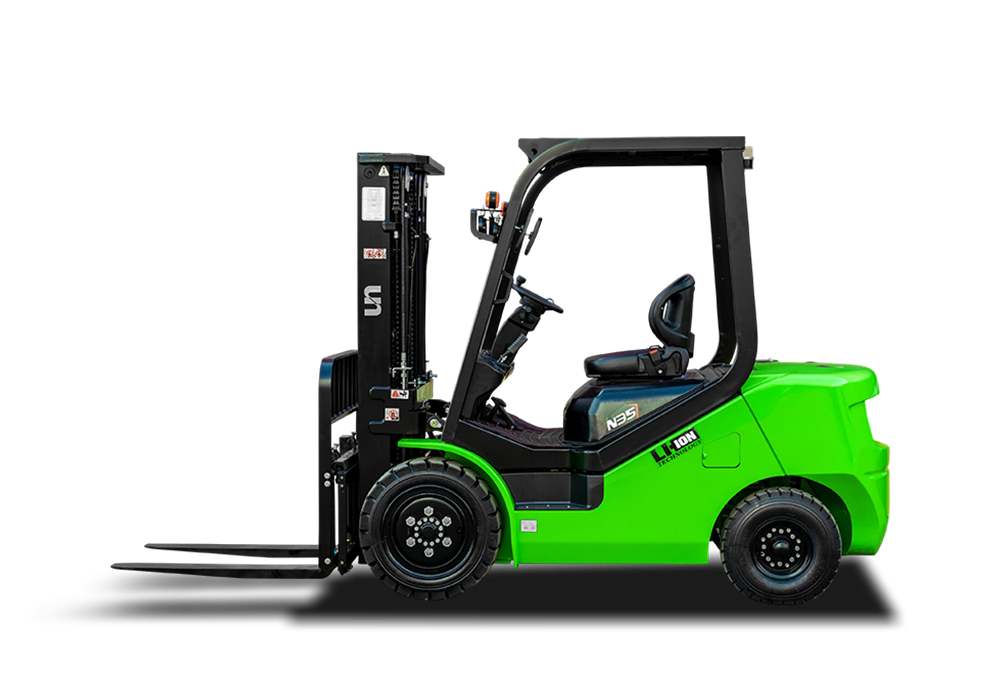
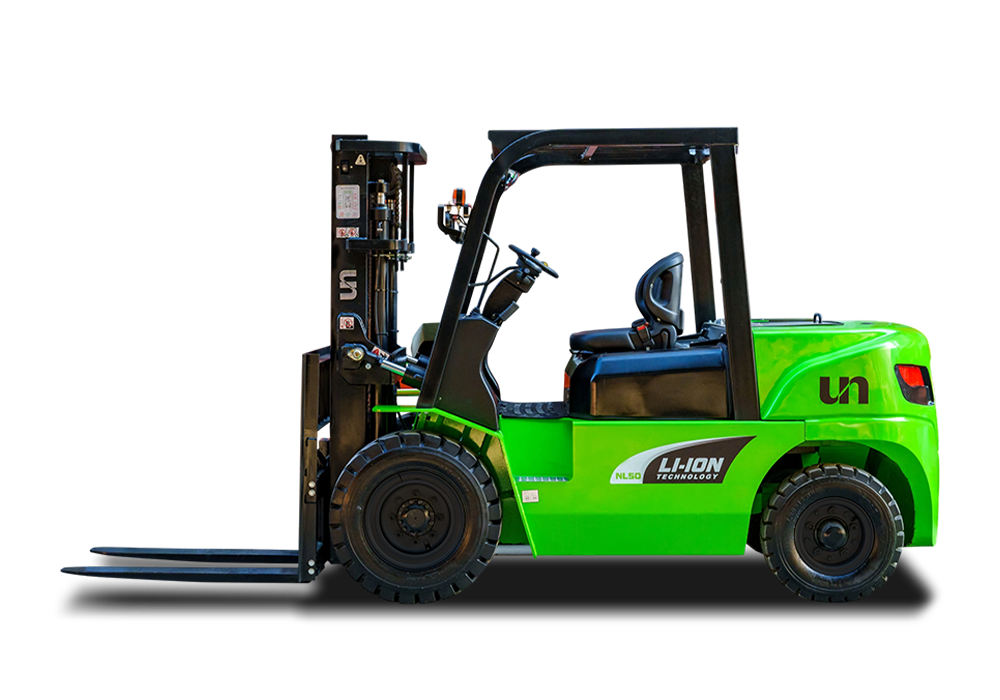
NL Series 2.0T-2.5T Li-ion Battery Forklift
1. Product Positioning and Core Design Philosophy
The NL Series 2.0–2.5T forklift is positioned as a practical lithium-powered alternative to conventional internal combustion trucks. Its design philosophy is based on a simple but important principle: electrification should not require users to sacrifice structural reliability, worksite flexibility, or operator familiarity.
Many compact electric forklifts are optimized primarily for smooth indoor floors and controlled warehouse conditions. The NL Series takes a different approach by using a proven internal combustion forklift structure as its foundation. This type of chassis has been validated through long-term industrial use and is well understood by operators, technicians, fleet managers, and service personnel.
The result is a forklift that can perform in both indoor and outdoor conditions. It is suitable for warehouse loading and unloading, manufacturing material transport, retail distribution, packaging operations, building-material handling, food and beverage logistics, and many other applications where a 2.0- to 2.5-ton capacity is appropriate.
The compact structure contributes to easier maneuvering in restricted spaces. The standard specifications list an outside turning radius of approximately 2,365 millimeters for both the FB20 and FB25 configurations. This supports efficient operation in warehouse aisles, production corridors, loading areas, and storage zones where excessive turning space is unavailable.
The product also offers a minimum pallet aisle width of approximately 4,120 millimeters in the listed 2.0- and 2.5-ton configurations. Actual aisle requirements depend on pallet dimensions, mast configuration, load dimensions, attachment selection, and operating practices, but the compact chassis provides a useful balance between capacity and maneuverability.
2. Lithium-Ion Power for Productive Work Shifts
The most important technological advantage of the NL Series is its lithium-ion battery system. Unlike conventional lead-acid batteries, lithium-ion batteries can be recharged quickly and can accept top-up charging during operating breaks. This allows fleet managers to organize charging around production schedules instead of relying exclusively on long overnight charging periods.
The product information specifies an approximately two-hour full charging capability under suitable charging conditions. The actual charging time may vary according to battery capacity, charger specification, battery state of charge, ambient temperature, and site electrical conditions. Nevertheless, rapid charging provides a major operational advantage for facilities that operate multiple shifts or have limited spare equipment.
Opportunity charging is particularly valuable in applications where forklifts are used throughout the day. A short charging period during a meal break, shift change, or scheduled pause can restore useful energy without removing the truck from service for an extended period. Because lithium-ion batteries do not require the same charging routine as traditional lead-acid batteries, operators have greater flexibility in planning equipment utilization.
The available battery specifications include 80-volt systems with several ampere-hour options. The listed configurations cover different capacities, including options in the approximate range of 135 or 150 ampere-hours, 175 ampere-hours, 220 ampere-hours, 270 ampere-hours, and higher-capacity alternatives depending on configuration and equipment package. The exact battery selection should be matched to operating hours, load intensity, charging infrastructure, climate, and the number of shifts.
Lithium-ion technology also reduces the need for several traditional battery-related maintenance activities. There is no routine battery watering requirement, and operators do not need to manage electrolyte levels in the same manner as with flooded lead-acid batteries. This reduces daily service work and helps prevent maintenance errors.
The product information states that the battery can support up to 4,000 charge cycles and is covered by a five-year warranty under applicable terms. Battery service life depends on charging practices, environmental conditions, workload, storage, and fleet management. Even so, the stated cycle capability provides a strong basis for long-term operating value.
Energy and Operating Advantages
The lithium-ion system provides several benefits in comparison with fuel-powered forklifts:
First, electricity can be more cost-effective than gasoline, diesel, or liquefied petroleum gas, especially in high-utilization environments. Energy savings depend on local electricity and fuel prices, duty cycle, charging efficiency, and operating conditions.
Second, the forklift produces zero tailpipe emissions during operation. This is especially important in warehouses, food-processing facilities, pharmaceutical environments, enclosed production areas, and workplaces with strict indoor air-quality requirements.
Third, the electric powertrain operates quietly. Reduced noise can improve communication between workers and operators and can make the equipment more suitable for operations near offices, retail spaces, residential areas, or noise-sensitive production environments.
Fourth, the electric drive system requires fewer routine service items than an internal combustion engine. There is no engine oil, engine oil filter, spark plug, exhaust system, or fuel-injection maintenance schedule in the conventional sense. These reductions can simplify fleet maintenance and lower total ownership costs.
3. Performance for Daily Material Handling
The NL Series is designed to deliver predictable performance rather than extreme specialization. For most general material-handling operations, consistent travel, lifting, steering, and braking behavior is more valuable than isolated peak performance figures.
The listed FB20 and FB25 models have rated load capacities of 2,000 and 2,500 kilograms respectively, based on a 500-millimeter load center. This rating makes the forklifts suitable for pallets, industrial components, packaged goods, raw materials, containers, and other loads commonly found in manufacturing and distribution operations.
The standard rated lift height is 3,000 millimeters, while alternative mast configurations can provide greater lifting heights. Available mast options include wide-view, full-free-lift, and three-stage full-free-lift designs. Depending on the selected configuration, maximum fork height can extend substantially beyond the standard 3,000-millimeter arrangement.
Travel speed is listed at approximately 11 kilometers per hour with a full load and up to 12 kilometers per hour without a load. These figures support efficient movement across production floors, loading yards, warehouse aisles, and transfer routes while maintaining an appropriate balance between productivity and control.
For the FB20 and FB25 models, lifting speed is listed at approximately 260 millimeters per second under full load and 380 millimeters per second without a load. Lowering speed under full load is listed at approximately 450 millimeters per second. Performance can vary according to battery condition, hydraulic oil temperature, load distribution, mast selection, and operating environment.
The maximum gradeability under full load is listed at 15 percent for the 2.0- and 2.5-ton configurations. This allows the forklift to manage moderate ramps and loading-area inclines when operated within the manufacturer’s safety requirements. Gradeability should never be interpreted as permission to exceed site-specific slope, speed, surface, or load-handling limits.
| Specification | FB20 | FB25 |
|---|---|---|
| Rated load capacity | 2,000 kg | 2,500 kg |
| Load center | 500 mm | 500 mm |
| Rated lift height | 3,000 mm | 3,000 mm |
| Free lift height | 100 mm | 100 mm |
| Fork size | 1,070 × 120 × 40 mm | 1,070 × 120 × 40 mm |
| Overall width | Approximately 1,150 mm | Approximately 1,150 mm |
| Outside turning radius | Approximately 2,365 mm | Approximately 2,365 mm |
| Wheelbase | Approximately 1,650 mm | Approximately 1,650 mm |
| Travel speed, full load/no load | 11/12 km/h | 11/12 km/h |
| Maximum gradeability, full load | 15% | 15% |
| Total weight | Approximately 3,385 kg | Approximately 3,605 kg |
| Battery voltage | 80 V | 80 V |
| Drive motor | 10 kW | 10 kW |
| Lift motor | 12 kW | 12 kW |
Specifications may vary according to the battery package, mast, tires, attachments, and regional configuration. Buyers should confirm the final technical configuration before ordering.
4. Structural Strength and Chassis Reliability
A forklift’s productivity depends on more than battery capacity. The chassis, counterweight, axles, mast, steering system, hydraulic system, and overhead guard must work together under repeated shock loads. Pallet entry, uneven surfaces, braking, turning, and stacking all place stress on the machine.
The NL Series uses a structure derived from a proven internal combustion forklift platform. This approach offers several competitive advantages. The chassis is familiar to technicians who already service conventional forklifts, and key components such as axles and masts are compatible with established industrial designs. This can support faster diagnosis, more accessible replacement parts, and lower repair complexity.
The listed ground clearance beneath the mast is approximately 130 millimeters for the FB20 and FB25. This helps the forklift manage minor floor irregularities, dock transitions, and outdoor surfaces more effectively than a low-clearance warehouse-only truck. The product is not intended to replace a specialized rough-terrain forklift, but it offers useful versatility for mixed indoor and outdoor operations.
The forklift is also described as having good resistance to water and dust. Such resistance is important for loading docks, covered outdoor areas, manufacturing yards, and facilities where airborne particles or occasional moisture are present. Operators should still follow the relevant cleaning, storage, and electrical protection procedures and should not expose the truck to conditions beyond its rated design.
The counterbalanced layout contributes to stable load handling. The low center of gravity helps the forklift remain composed during turns and routine travel. Stability nevertheless depends on correct load placement, mast position, surface conditions, travel speed, and compliance with the rated capacity chart.
5. Mast Options and Rated Capacity Flexibility
Different businesses require different lift heights. A small warehouse may need a compact mast for low doorways and limited overhead clearance, while a distribution center may require high stacking capability. The NL Series provides several mast options to support these different requirements.
The wide-view mast is designed to provide a clear sightline through the mast structure. This is beneficial when positioning forks under pallets, approaching racks, or traveling with elevated loads. Improved visibility can support precision and reduce unnecessary repositioning.
Two-stage full-free-lift masts are useful in applications where the forklift must raise the forks without immediately increasing the overall mast height. This is valuable when working inside containers, under low ceilings, or near mezzanines and doorways.
Three-stage full-free-lift masts provide greater maximum lift height while maintaining useful free lift. They are appropriate for high-density storage systems and taller racking arrangements. As lift height increases, rated capacity may decrease. This is why the mast capacity chart must always be consulted before handling a particular load at a specific height.
The supplied capacity information includes mast options reaching approximately 3,000, 3,300, 4,000, 4,500, 4,700, 5,000, 5,500, and 6,000 millimeters in some configurations. Certain three-stage options extend higher still. These figures represent available configurations within the broader platform and should not be assumed to apply identically to every individual unit.
Attachments also influence capacity. The supplied data notes that a separated side shifter may reduce capacity by 200 kilograms, while an integrated side shifter may reduce capacity by 50 kilograms. The exact capacity impact depends on attachment weight, load center, mounting arrangement, and mast selection.
6. Hydraulic, Steering, and Control Systems
Precise control is fundamental to safe and productive forklift operation. The NL Series uses a specially designed hydraulic station intended to provide smooth and reliable steering, including during braking. This helps the operator maintain directional control when slowing down or positioning the truck in confined areas.
The hydraulic system has a listed operating pressure of 17.5 megapascals for attachments. This provides a useful foundation for compatible hydraulic accessories, although attachment selection must be confirmed against the available flow, pressure, capacity, and electrical interface.
Hydraulic control quality affects more than lifting speed. It influences the smoothness of load placement, the ability to position forks accurately, and the operator’s ability to make small adjustments. Smooth hydraulic behavior can reduce sudden movement and support more consistent pallet handling.
The forklift’s CAN bus and battery management system continuously monitor important operating conditions. A battery management system can track parameters such as voltage, temperature, charging status, and protection conditions. The CAN bus enables communication between major electronic components and supports coordinated system monitoring.
These systems help protect the battery and powertrain from abnormal operating conditions. Depending on the specific controller and software configuration, protective functions may include overvoltage, undervoltage, overheating, excessive current, and communication fault monitoring.
7. Safety Features and Operator Confidence
Safety is a combination of equipment design, operator training, site management, and maintenance discipline. The NL Series incorporates several design elements intended to support safe and predictable operation.
The counterbalanced structure and low center of gravity contribute to stability. The overhead guard protects the operator from falling objects within its intended design limits. The mast and load backrest help support proper load positioning, while the hydraulic system is designed for controlled lifting and lowering.
Good visibility is especially important when handling loads near racks or other equipment. The wide-view mast option can help operators see through the mast more effectively. However, the load itself may still obstruct forward visibility, and operators should travel in reverse or use an approved alternative method whenever necessary.
The electric powertrain produces no exhaust emissions at the point of use. This helps improve indoor air quality and reduces exposure to engine exhaust. It also eliminates hot exhaust components and reduces the risk of fuel spills associated with conventional fuel-powered equipment.
Lower noise levels can improve communication in busy warehouses. Workers may be able to hear warning calls, reversing alarms, and nearby vehicle movement more clearly. Reduced noise does not eliminate the need for alarms, horns, pedestrian separation, traffic plans, or visual checks.
The engine hood opens at a wider angle for access to internal components. Although the forklift does not use a conventional engine, this access-oriented design makes inspection and service more convenient. Easy access can encourage regular checks and reduce the time required for routine maintenance.
8. Operator Comfort and Ergonomic Design
Operator comfort has a direct effect on productivity. Forklift operators may spend many hours seated in the truck, repeatedly turning, reversing, lifting, lowering, and entering or exiting the vehicle. Poor ergonomics can contribute to fatigue, discomfort, and reduced concentration.
The NL Series provides a spacious operator compartment with more legroom than many standard lithium forklifts. Additional space allows operators to adjust their posture more naturally and can make repeated entry and exit less restrictive.
The low center of gravity supports stable handling during turns. A truck that feels predictable when cornering can reduce operator stress and improve confidence during repetitive work. Smooth steering and hydraulic response further contribute to a controlled operating experience.
Other ergonomic considerations include the relationship between the steering wheel, control levers, pedals, seat, mast, and overhead guard. The best configuration depends on the operator, application, and regional requirements. Buyers should evaluate a demonstration unit whenever possible, particularly when the forklift will be used for long shifts.
Reduced vibration and lower noise are additional benefits of lithium-electric operation. Although tires, floors, loads, and driving habits still influence vibration, the absence of engine combustion can create a quieter and smoother working environment.
9. Total Cost of Ownership
Purchase price is only one part of forklift economics. Total cost of ownership includes energy, preventive maintenance, parts, labor, downtime, battery replacement, charging infrastructure, operator productivity, and residual value.
The NL Series is intended to provide a purchase cost comparable to conventional internal combustion forklifts in relevant configurations while reducing recurring operating expenses. The actual comparison depends on model, battery capacity, mast, tires, attachments, local energy costs, utilization, and service agreements.
Fuel savings can be substantial in high-use operations. Electric motors convert energy into motion efficiently, and regenerative functions in the drive system may recover some energy during deceleration depending on the controller configuration. Electricity also avoids the logistical requirements associated with fuel storage and refueling.
Maintenance savings are another important factor. A lithium-ion forklift eliminates many engine-related service items, including engine oil, oil filters, spark plugs, exhaust components, and fuel-system maintenance. The battery itself is described as maintenance-free in routine use, which can save labor and reduce the chance of incorrect battery servicing.
Reduced maintenance does not mean no maintenance. Tires, brakes, steering components, hydraulic oil, mast rollers, chains, forks, electrical connections, and safety devices still require regular inspection. Preventive maintenance remains essential for reliability and safe operation.
Downtime reduction can be equally important. Fast charging, opportunity charging, and high battery cycle capability can support more continuous utilization. If a facility previously needed spare lead-acid batteries, battery-changing equipment, or a dedicated battery room, lithium-ion technology may also reduce space requirements. The final decision should include the cost of chargers, electrical upgrades, ventilation, and site preparation.
10. Manufacturing Capability and Product Development Strength
The manufacturer behind the product has operated in the material-handling industry since 1978 and integrates research and development, production, sales, and service. The reported manufacturing facility covers approximately 53,400 square meters and has an annual production capacity of approximately 15,000 units.
This background is relevant because forklift quality depends on coordinated control of design, fabrication, assembly, testing, documentation, and after-sales support. A company with experience across multiple forklift categories can apply knowledge from internal combustion, electric, reach, warehouse, and specialized equipment programs to the development of lithium-ion products.
The company’s product portfolio includes multiple forklift types, series, and specifications. Such breadth supports component standardization and platform development. It can also make it easier to provide customers with a complete equipment range instead of a single isolated truck model.
The manufacturer has developed electric forklift technologies and participated in the formulation of industry standards. It has also introduced new-energy models, including lithium-ion conversions and standard lithium battery forklifts. This demonstrates an ongoing focus on energy efficiency, environmental protection, operational safety, and cost control.
Integrated Research and Engineering
Integrated engineering enables the battery, motor, controller, hydraulic system, chassis, mast, and safety systems to be designed as a coordinated package. This is preferable to simply placing a battery into an existing vehicle without carefully considering weight distribution, thermal management, service access, and control calibration.
The NL Series reflects this integrated approach through its use of an 80-volt power system, dedicated drive and lift motors, CAN bus communication, battery management, and a chassis derived from established forklift architecture. These systems must work together to deliver predictable travel, lifting, braking, steering, and charging performance.
Production Consistency and Quality Control
Industrial forklift manufacturing requires repeatable processes. Structural components must be accurately fabricated, welded, painted, assembled, and inspected. Electrical harnesses must be routed securely. Hydraulic lines must be correctly connected and checked for leakage. Mast components must be aligned, and brakes and steering systems must be adjusted according to technical requirements.
A mature manufacturing operation can establish standardized work instructions, process checks, incoming-material inspection, assembly verification, and final functional testing. These controls help reduce variation between units and make service procedures more consistent across the product lifecycle.
Final testing should evaluate key functions such as travel, steering, braking, lifting, lowering, charging communication, battery protection, hydraulic operation, alarms, and instrument displays. Testing requirements may vary by market and configuration, but comprehensive verification is central to dependable industrial equipment.
Global Market and Service Experience
The company has a worldwide sales and service network with partners in Europe, South America, North America, Africa, and Asia. International market experience is valuable because different regions impose different requirements related to safety, emissions, electrical systems, operator protection, documentation, and service support.
A global network can also help customers access technical assistance, replacement parts, training, and warranty support. For fleet operators, service responsiveness is often as important as initial equipment performance. A forklift that can be repaired quickly may create more value than a truck with slightly higher theoretical performance but limited service access.
11. Competitive Advantages Compared with Conventional Alternatives
The NL Series has several advantages compared with conventional internal combustion forklifts.
Its zero-emission operation is a major benefit in indoor environments. Warehouses and production areas can use the forklift without generating engine exhaust at the point of operation. This reduces ventilation demands and supports cleaner working conditions.
Its low noise level is another advantage. Quieter operation can improve communication, reduce workplace disturbance, and make the forklift suitable for sites where noise is a concern.
The lithium battery system reduces routine maintenance. Operators do not need to perform conventional engine service, fuel-system maintenance, or battery watering. The reduced number of service items can lower labor costs and simplify preventive maintenance planning.
Fast charging and opportunity charging can improve fleet availability. This is particularly useful for multi-shift operations where long battery changes or extended charging periods would interrupt production.
Compared with some warehouse-focused electric forklifts, the NL Series offers a more substantial industrial chassis and better mixed-environment capability. Its internal combustion-derived structure, useful ground clearance, durable tires, and weather-resistant design make it more adaptable to outdoor loading yards and transitional work areas.
Compared with traditional lead-acid electric forklifts, the NL Series can offer greater charging flexibility, reduced battery service, higher energy availability during opportunity charging, and less need for battery replacement infrastructure.
Compared with some compact electric competitors, the spacious legroom, low center of gravity, and familiar operating layout may provide a stronger operator experience. The product is designed to combine practical ergonomics with industrial durability rather than focusing only on minimum size.
12. Applications and Recommended Operating Environments
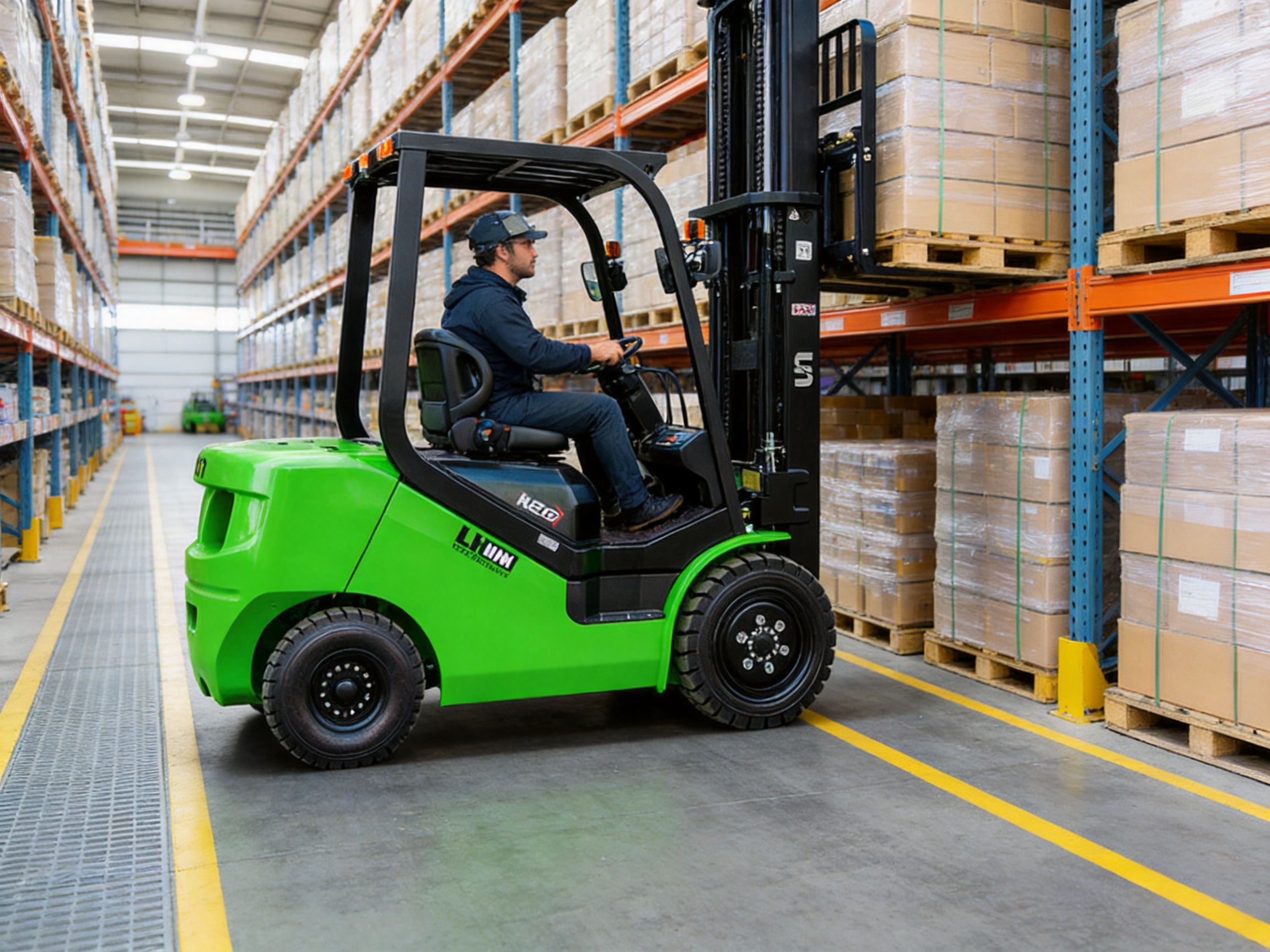
The 2.0- and 2.5-ton capacities cover a broad segment of material-handling work. Typical applications include pallet movement in distribution centers, loading and unloading at docks, component supply in factories, finished-goods handling, packaging operations, warehouse replenishment, and general industrial storage.
Indoor warehouse applications benefit from zero tailpipe emissions, low noise, compact turning capability, and precise hydraulic control. In facilities with multiple shifts, the rapid-charging battery system can support continuous operation when charging stations are planned correctly.
Manufacturing plants can use the forklift for line-side delivery, raw-material transfer, finished-product movement, and container handling. The spacious operator area may be valuable in repetitive transport routes where the driver spends extended periods in the seat.
Distribution centers can benefit from the combination of travel speed, rated capacity, mast options, and opportunity charging. The choice of mast should be based on rack height, door clearance, free-lift requirements, and load capacity at the intended elevation.
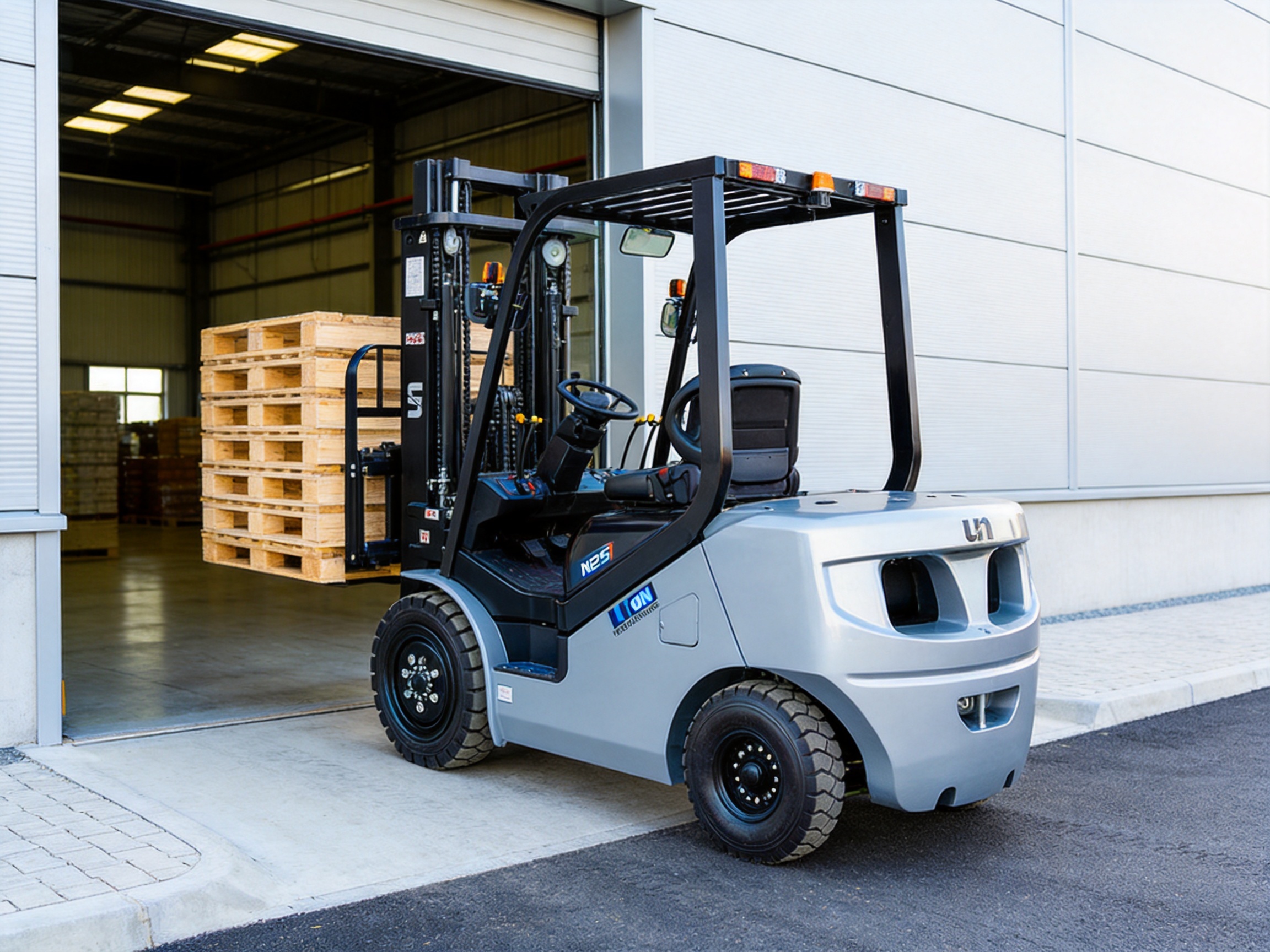
Outdoor loading areas and covered yards may also be suitable, especially where the ground is reasonably level and maintained. The forklift’s industrial chassis, ground clearance, and water and dust resistance provide more versatility than a light-duty warehouse-only vehicle. It should not, however, be used as a substitute for specialized rough-terrain equipment on severe terrain, loose ground, steep grades, or construction sites unless specifically configured and approved for those conditions.
13. Maintenance Strategy
A planned maintenance program helps preserve performance and protect the investment. Daily inspections should include tires, forks, mast chains, hydraulic lines, steering, brakes, lights, alarms, seat belt, overhead guard, battery condition, charging connector, and visible structural components.
Operators should check for unusual noise, vibration, hydraulic leakage, warning messages, reduced travel power, slower lifting, or irregular braking. Any safety-related fault should be reported immediately, and the forklift should be removed from service when continued operation could create a hazard.
The lithium battery should be charged with the approved charger and handled according to the relevant battery and charging instructions. Charging areas should be clean, dry, adequately protected, and suitable for the electrical load. Operators should avoid unauthorized battery modifications, damaged connectors, and unapproved charging equipment.
Scheduled service should include inspection of mast rollers, lift chains, forks, steering components, brakes, wheel fasteners, hydraulic oil, electrical connections, cooling paths, and controller diagnostics. The service interval should follow the official maintenance manual and should be adjusted when the truck operates in dusty, wet, corrosive, high-temperature, or exceptionally intensive conditions.
Because key components such as axles and masts are compatible with established internal combustion forklift designs, service technicians may benefit from familiar procedures and parts knowledge. This compatibility can reduce repair complexity and support more economical maintenance.
14. Selecting the Correct Configuration
Choosing the right NL Series configuration requires more than selecting a nominal capacity. Buyers should evaluate the actual load center, load shape, maximum lift height, aisle width, floor condition, travel distance, operating hours, indoor or outdoor use, attachments, climate, and charging schedule.
The FB20 is appropriate when the required rated capacity is up to 2,000 kilograms at the specified load center. The FB25 provides a higher rated capacity of 2,500 kilograms. If the load center increases, the effective capacity may decrease, so unusually deep or irregular loads require a careful capacity review.
Mast selection should reflect both lifting height and overhead restrictions. A standard wide-view mast may be adequate for common warehouse stacking. A full-free-lift mast may be preferable for containers or low-clearance areas. A three-stage mast may be required for high racks but must be assessed for overall height, residual capacity, and visibility.
Battery capacity should match the duty cycle. A smaller battery may be suitable for short operating periods and regular charging opportunities. A larger battery may be preferable for longer shifts, heavier utilization, or facilities where charging time is limited.
Tire selection should reflect the surface. Pneumatic or industrial pneumatic-style tires may provide useful durability and cushioning for mixed indoor and outdoor surfaces. Smooth, clean warehouse floors may support different tire preferences. Tire selection affects traction, ride comfort, turning behavior, ground pressure, and service life.
Attachments should be evaluated for weight, hydraulic requirements, load-center changes, visibility, and capacity reduction. Side shifters, clamps, fork positioners, and other accessories can improve productivity but may change the truck’s rated capacity.
15. Sustainability and Environmental Value
Electrification is an important part of modern material-handling sustainability strategies. The NL Series reduces direct operating emissions, lowers noise, and supports more efficient energy use. These benefits can contribute to cleaner facilities and improved working conditions.
The sustainability value of a lithium forklift also depends on how electricity is generated, how batteries are managed, and how equipment is maintained. Efficient charging, proper battery use, and long service life improve the environmental performance of the complete system.
The stated battery cycle capability and five-year warranty can support longer service use when the forklift is operated and maintained correctly. Extending the useful life of equipment reduces the need for premature replacement and spreads manufacturing impacts over more operating hours.
Replacing a fuel-powered forklift with a lithium model may also simplify environmental compliance in facilities with strict indoor-air requirements. Companies should still evaluate the complete energy and recycling plan, including battery end-of-life handling and local regulations.
16. Frequently Asked Questions
Q1: What is the rated capacity of the NL Series 2.0–2.5T forklift?
The series includes the FB20 model with a rated capacity of 2,000 kilograms and the FB25 model with a rated capacity of 2,500 kilograms. These ratings are based on a 500-millimeter load center under the applicable configuration and capacity chart.
Q2: Is the forklift suitable for indoor use?
Yes. Its zero tailpipe emissions, low noise, compact structure, and small turning radius make it suitable for warehouses, factories, distribution centers, and other indoor applications.
Q3: Can it operate outdoors?
It can operate in suitable outdoor areas, particularly paved yards, loading docks, and covered logistics zones. Its internal combustion-derived chassis, useful ground clearance, and resistance to water and dust provide mixed-environment capability. Severe terrain and demanding construction applications may require a specialized rough-terrain forklift.
Q4: How quickly can the battery be charged?
The product information states that a full charge can be completed in approximately two hours under suitable conditions. Actual charging time depends on battery size, charger output, state of charge, ambient temperature, and electrical installation.
Q5: Does the battery support opportunity charging?
Yes. The lithium-ion system is designed to support top-up charging during suitable breaks or operating intervals. This can be useful for multi-shift operations and applications where battery changes would be inconvenient.
Q6: What battery capacities are available?
The listed configurations use an 80-volt battery system with several ampere-hour options. Depending on the model and package, capacities may include approximately 135 or 150 ampere-hours, 175 ampere-hours, 220 ampere-hours, 270 ampere-hours, and higher options. The final selection should be confirmed with the supplier.
Q7: How long is the battery warranty?
The supplied product information states a five-year lithium battery warranty. Warranty coverage is subject to the applicable terms, operating conditions, charging practices, and regional agreement.
Q8: What mast options are available?
Available options include wide-view masts, two-stage full-free-lift wide-view masts, and three-stage full-free-lift wide-view masts. Maximum fork heights vary by configuration and can extend from approximately 3,000 millimeters to significantly higher levels.
Q9: Does an attachment affect capacity?
Yes. Attachment weight and load-center changes can reduce rated capacity. The supplied information indicates a 200-kilogram reduction for a separated side shifter and a 50-kilogram reduction for an integrated side shifter. The official capacity chart must be used for the specific truck and attachment.
Q10: What are the main maintenance advantages?
The lithium-ion system eliminates routine battery watering and reduces engine-related maintenance items such as oil, oil filters, spark plugs, and exhaust-system service. Tires, brakes, mast components, hydraulic systems, steering, electrical connections, and safety equipment still require regular inspection and maintenance.
Q11: What makes the product different from a warehouse-only electric forklift?
The NL Series uses a durable internal combustion-derived chassis and is designed for both indoor and suitable outdoor operation. It combines electric efficiency with industrial ground clearance, familiar service architecture, strong load capacity, and a comfortable operator compartment.
Q12: Is the forklift appropriate for multi-shift work?
It can be appropriate for multi-shift operations when the battery capacity, charging equipment, charging schedule, and duty cycle are correctly planned. Opportunity charging and rapid charging can help maintain availability, but a site assessment is recommended before selecting the final battery package.
17. Conclusion
The NL Series 2.0–2.5T lithium-ion battery forklift is designed for businesses that want to reduce emissions and operating costs without giving up the durability and flexibility of a conventional industrial forklift. Its combination of a proven chassis concept, lithium-ion energy system, compact dimensions, rapid charging, low noise, zero tailpipe emissions, and simplified maintenance makes it a strong option for modern material-handling operations.
The FB20 and FB25 configurations provide practical capacities for general industrial work, while multiple mast options support different rack heights and clearance requirements. The hydraulic steering design, CAN bus communication, battery management system, wide-angle service access, low center of gravity, and spacious legroom contribute to safety, control, comfort, and serviceability.
The manufacturer’s long history in forklift development, integrated R&D and production capabilities, broad product portfolio, international service network, and experience with electric and new-energy equipment further support the product’s market position. These strengths help connect the forklift’s engineering design with consistent manufacturing, technical support, parts availability, and long-term fleet value.
For companies evaluating a transition from internal combustion to lithium-electric handling equipment, the NL Series offers a balanced solution. It is not limited to a single warehouse application; instead, it is designed to operate across indoor facilities, loading areas, manufacturing sites, and suitable outdoor environments. With correct configuration, charging planning, operator training, and preventive maintenance, it can improve productivity while supporting cleaner, quieter, and more cost-efficient material handling.
References
1. Product specification sheets for the NL Series 2.0–2.5T lithium-ion battery forklift.
2. Technical data tables covering FB20 and FB25 rated capacities, dimensions, performance, chassis, battery, and powertrain systems.
3. Mast specifications and rated-capacity information for wide-view, full-free-lift, and three-stage mast configurations.
4. Manufacturer-provided information concerning lithium battery cycle life, charging capability, warranty coverage, maintenance, and application features.
5. General principles of industrial forklift operation, preventive maintenance, load capacity management, and workplace safety.
Product: NL Series 2.0T-2.5T Li-ion Battery Forklift
For exclusive deals and latest offers, sign up by entering your email address below.
Stay In Touch
ADDRESS : NO.1 ROAD ONE, XINDENG NEW DISTRICT, FUYANG, HANGZHOU, ZHEJIANG, CHINA 311404.
PHONE : +86-571-8688 8355 (AMERICA)
PHONE : +86-571-8886 9363 (EUROPE)
PHONE : +86-571-8688 8377 (ASIA, AFRICA, OCEANIA)
EMAIL : [email protected]
EMAIL : [email protected](PARTS INQUIRY)

